ZEVO Blog


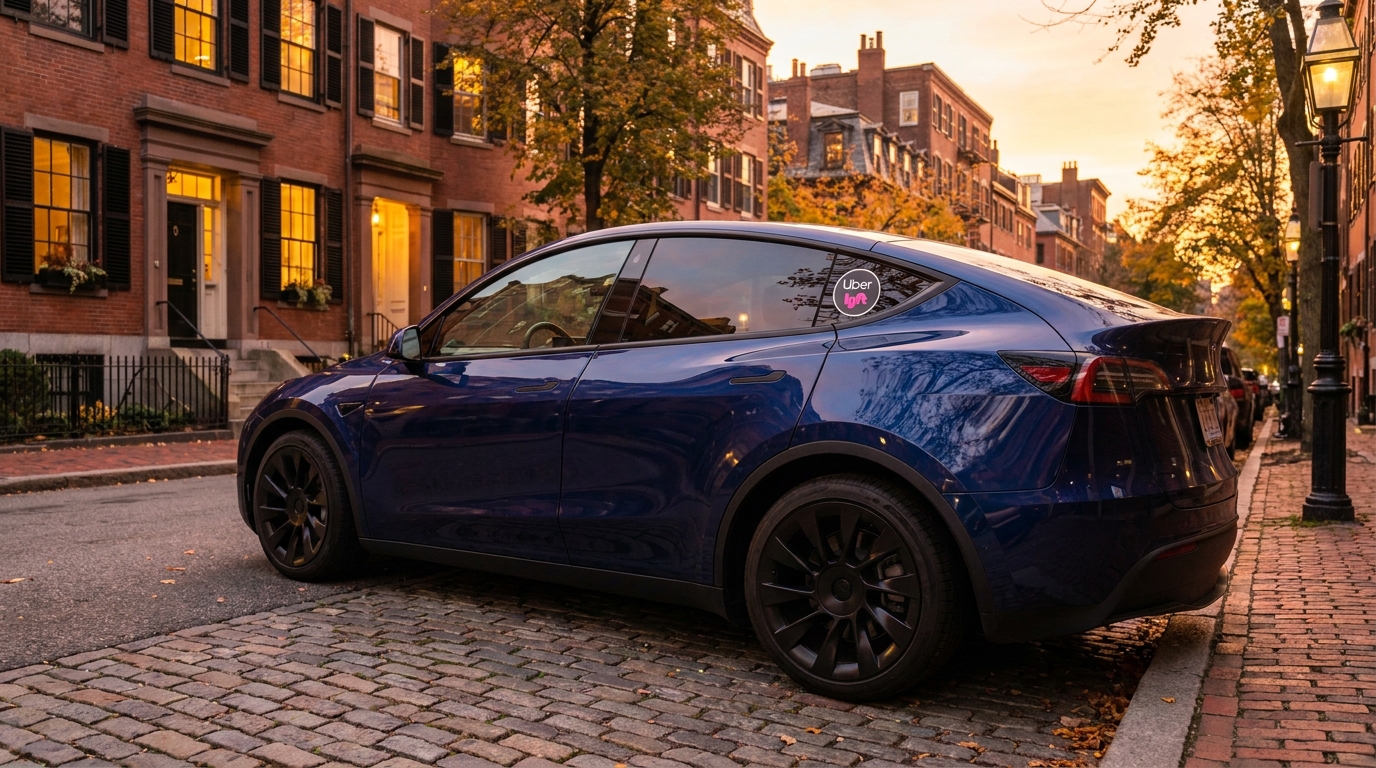
Last week, Massachusetts certified the first gig worker union in U.S. history. The App Drivers Union — backed by 32BJ SEIU — now has collective bargaining authority over tens of thousands of rideshare drivers in the state. It's a landmark moment, and it has real implications for the EV rental market.
The short version: when drivers earn more, they spend smarter.
The 2024 ballot measure that made this possible was a careful compromise. Drivers gained collective bargaining rights without losing independent contractor status — meaning they can negotiate wages, hours, and working conditions while still choosing when and how they work. That flexibility is exactly the profile of a driver who benefits most from renting an EV rather than owning one.
Higher per-trip rates reduce the payback period on a vehicle upgrade. EV fuel savings compound on top of that. A driver earning more per mile, spending less on fuel, and avoiding the depreciation and maintenance of personal vehicle ownership is in a fundamentally stronger financial position. That's good for drivers — and it's good for EV rental platforms that serve them.
Massachusetts is likely just the first. Several other states are watching closely, and similar ballot measures are already being discussed. As driver economics improve across the country, the case for EV rentals strengthens alongside them.
At ZEVO, we think the future of rideshare runs on EVs. News like this only accelerates that timeline.
