ZEVO Blog


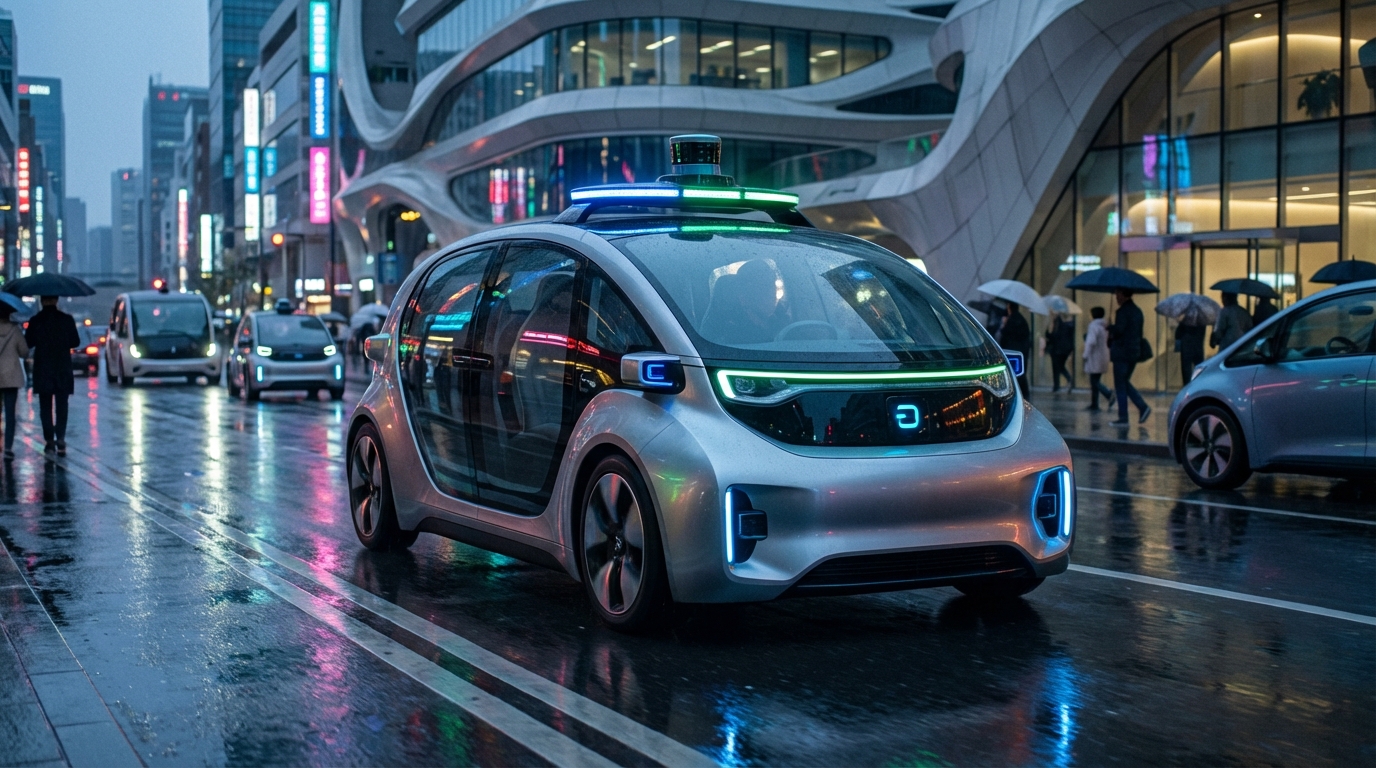
It feels like every month there's a new headline about robotaxis taking over. Waymo's expanding to 10 U.S. cities. Tesla launched a paid autonomous service in Austin. The robots are coming — but should rideshare drivers actually be worried?
A new study out of the University of Maryland says: probably not anytime soon. And the reasons are more interesting than you might expect.
Professor Tunay Tunca's research zeroes in on something the tech hype often glosses over: supply economics. Ride-share platforms like Uber have a structural advantage that's hard to replicate.
When Uber needs more cars on the road, they don't buy vehicles — they just tweak driver incentives. More surge pay, a bonus push, and supply goes up almost instantly. No capital at risk. No idle fleet sitting in a garage.
Robotaxi companies? They have to build cars. That means enormous capital expenditure, long lead times, and vehicles that cost money even when they're not moving. As Tunca put it: "To boost their supply, all Uber has to do is incentivize drivers a little bit more." That's a fundamentally different risk profile.
Pricing data from early 2026 paints an interesting picture. In San Francisco:
Yes, Tesla is dramatically cheaper — but robotaxi companies still have massive overhead baked in. And according to the Maryland study, robotaxis would need to undercut ride-share fares by roughly 50% and sustain that pricing to actually threaten major rideshare platforms' existence. Tunca says that's unlikely to happen in the next 5-10 years.
Meanwhile, actual driver pay has been holding up: per-trip gross earnings for rideshare drivers rose in most markets through late 2025, even in cities where autonomous vehicles operate.
Here's where it gets relevant for the EV world: robotaxi expansion requires a massive fleet of EVs. Waymo, Tesla, and their competitors are all racing to scale, which means higher demand for electric vehicles — the very kind that ZEVO hosts put on the road today.
The irony? Human-driven rideshare is actually helping normalize EV adoption at scale, and that foundation makes the eventual robotaxi future more viable. It's not a zero-sum game — it's a runway.
Robotaxis are real, they're growing, and they're not going away. But the idea that they'll wipe out human drivers in the next few years doesn't hold up under scrutiny. The platform model — where risk stays with drivers, not the company — is deeply resilient. And in a world where supply flexibility is king, that's a durable competitive moat.
The robots will keep coming. But the humans have more runway than the headlines suggest.
Want to go deeper on any of this? Drop a reply and tag @Zedd — happy to pull more data or explore a specific angle.
