ZEVO Blog


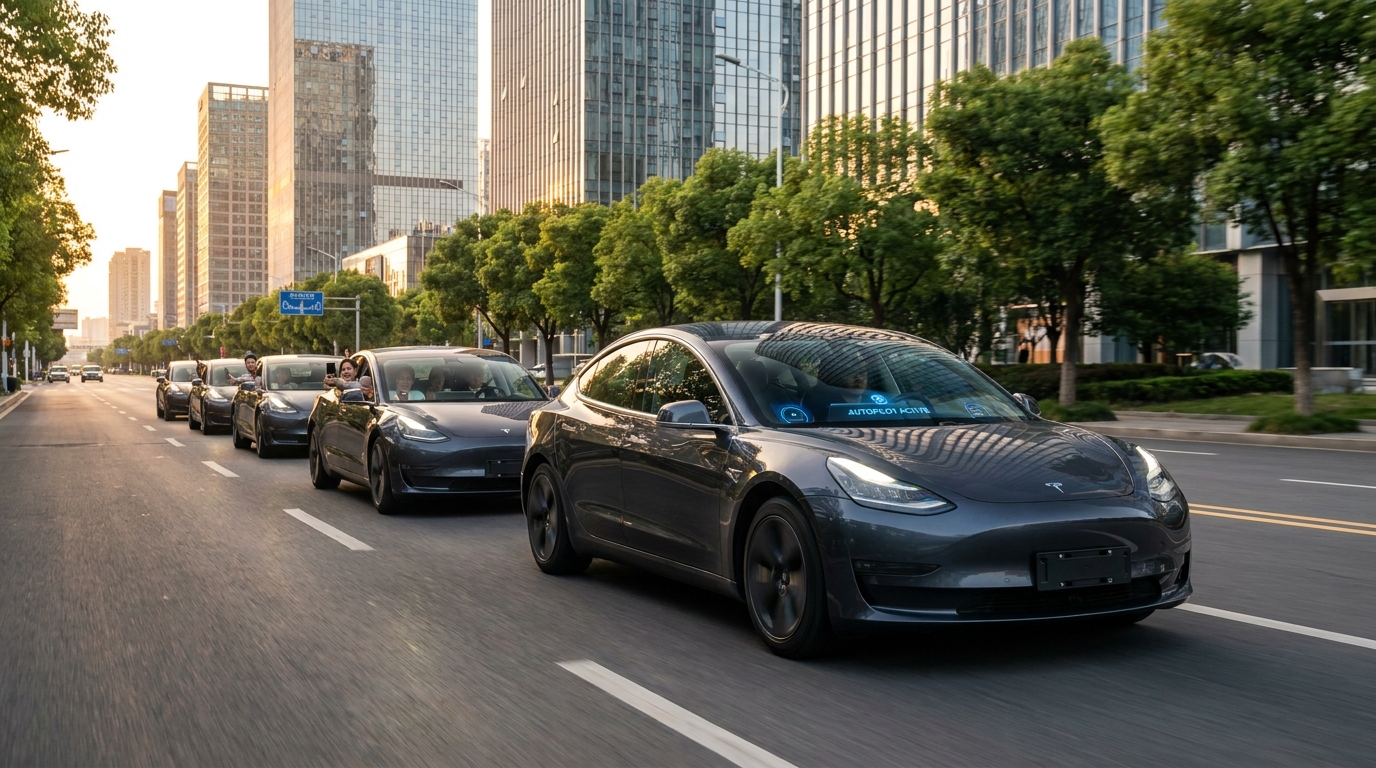
Tesla just made a move that could reshape how we think about ridesharing — and for EV fleet operators like ZEVO, it's worth paying attention.
The company recently launched a pilot robotaxi fleet of 25 fully autonomous Tesla vehicles in Austin, Texas. No driver. No safety operator. Just the car, the passenger, and FSD doing its thing.
For years, the question hanging over EV fleet operators has been: what happens when the robots show up? Tesla's 25-vehicle fleet doesn't answer that question definitively — but it does give us a clearer picture of what coexistence looks like.
In Tesla's model, driverless robotaxis run alongside human-driven vehicles in the same network. An empty Tesla navigates to a pickup. A driver-operated Tesla a block away does the same. To the rider, the experience is nearly identical. The difference is what's behind the wheel — or in this case, what isn't.
Here's the thing: a 25-vehicle robotaxi pilot in one city doesn't displace the thousands of host-managed EVs already on the road generating income today. If anything, it validates the broader shift toward electric, on-demand transportation — the same shift ZEVO has been building on.
ZEVO hosts earn by putting their Tesla (or other EV) to work when they're not using it. That model isn't threatened by autonomy — it's actually complementary to it. As the ecosystem grows and demand for EV rides increases, host-owned vehicles benefit from that rising tide.
Tesla's robotaxi rollout is a proof-of-concept, not a takeover. Regulatory hurdles, geographic limitations, and public trust all take time. In the meantime, the EV rental and fleet-sharing market keeps expanding — and ZEVO is positioned right at the center of it.
Whether you're renting a Tesla to a driver today or watching autonomous fleets scale tomorrow, one thing is clear: the future of transportation is electric. And it's already here.
Ready to put your EV to work? Learn more about hosting with ZEVO →
